-
Puerto Rico corrections members, through their union, won workplace improvements after a tragedy
Corrections officers in Puerto Rico are living the union difference. Read More
Read More

-
Detective is honored by his co-workers — and his union — for saving a life
An Auburn, N.Y., member braved frigid waters to save someone’s life. Read More
Read More

-
AFSCME members win first cost-of-living increase in 20 years for 60,000 PA retirees
After a long battle, AFSCME retirees in Pennsylvania won a cost-of-living increase in the commonwealth’s new budget. Read More
Read More

-
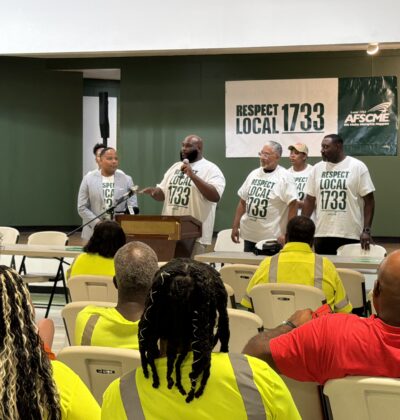
AFSCME members who keep Memphis running fighting for a livable wage
Respect 1733 is a new, high-profile campaign calling on Memphis city officials to keep their promises and approve fair wages for the workers who keep the city running. Read More
Read More

Our Stories
-
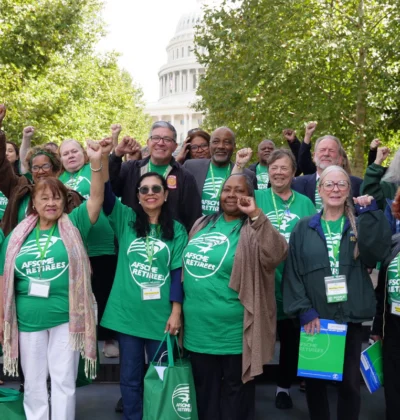
AFSCME Retirees: Paying the Union Difference Forward
AFSCME Retirees know that stepping away from their jobs doesn’t mean stepping away from their commitment to public service. Read More
Read More
Union Difference
-
AFSCME Local 1733 workers reach a tentative agreement for a livable wage
AFSCME members who keep Memphis, Tennessee, running have struck a livable-wage deal with the mayor. Read More
Read More
Latest Videos
-
Puerto Rico corrections members, through their union, won workplace improvements after a tragedy


-
Helping Ohio veterans return to civilian life nets OCSEA member Never Quit award

-

Library associate helps the elderly stay connected to their community

Featured Benefits
-
AFSCME members who keep a PA jail running mobilize for paid parental leave victory
Members of AFSCME Local 543 celebrate a new paid parental leave policy for Lehigh County workers that they fought for. Read More
Read More


-
AFSCME apprenticeships give Oregon members skills for behavioral health jobs
Congrats to the newest cohort of career-ready behavioral health workers in Oregon, who graduated from the AFSCME’s apprenticeships.
-
United Domestic Workers launches groundbreaking family child care apprenticeship program
UDW announces a new apprenticeship program.