-
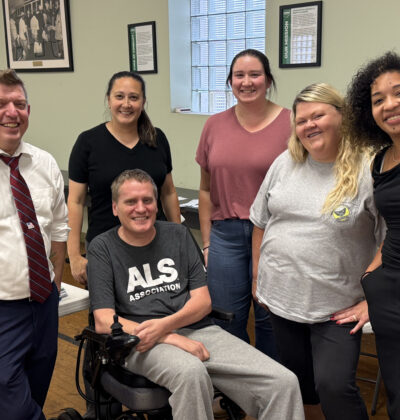
Ohio public defenders win raises and new benefits in first contract
Public defenders in the Dayton, Ohio, area win better pay and benefits under their first new union contract. Read More
Read More
-
California EMS workers overwhelmingly vote AFSCME yes
Paramedics and EMTs from a Southern California ambulance service voted to organize with AFSCME. Read More
Read More

-
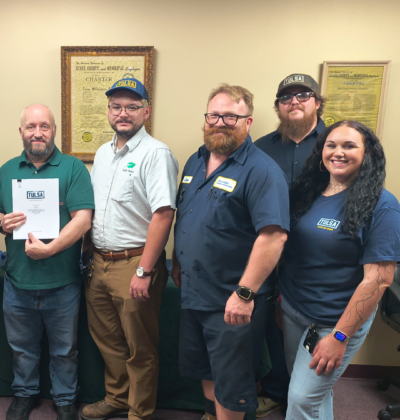
For Tulsa workers, grit and solidarity lead to historic new contracts
AFSCME members in Tulsa achieve historic contract. Read More
Read More
-
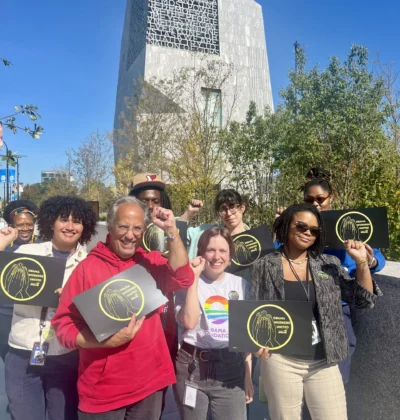
Obama Foundation and Presidential Center employees are organizing with AFSCME
Employees at the Obama Foundation and Presidential Center announced a union organizing effort with AFSCME Council 31 in Illinois. Read More
Read More
Our Stories
-
At Western Michigan University, a master gardener nurtures his entire community
David Prellwitz, a master gardener at Western Michigan University, is our latest Never Quit winner. Read More
Read More

Union Difference
-
AFSCME applauds court ruling that pauses USDA reorganization
AFSCME President Patrick Moran praised a federal court ruling on Tuesday that halts, for now, the illegal reorganization of the U.S. Department of Agriculture (USDA). The Trump administration’s attempts to gut the USDA threaten essential public services that protect working families and support American farmers, as well as public benefits including the Supplemental Nutrition Assistance… Read More
Read More

Latest Videos
-
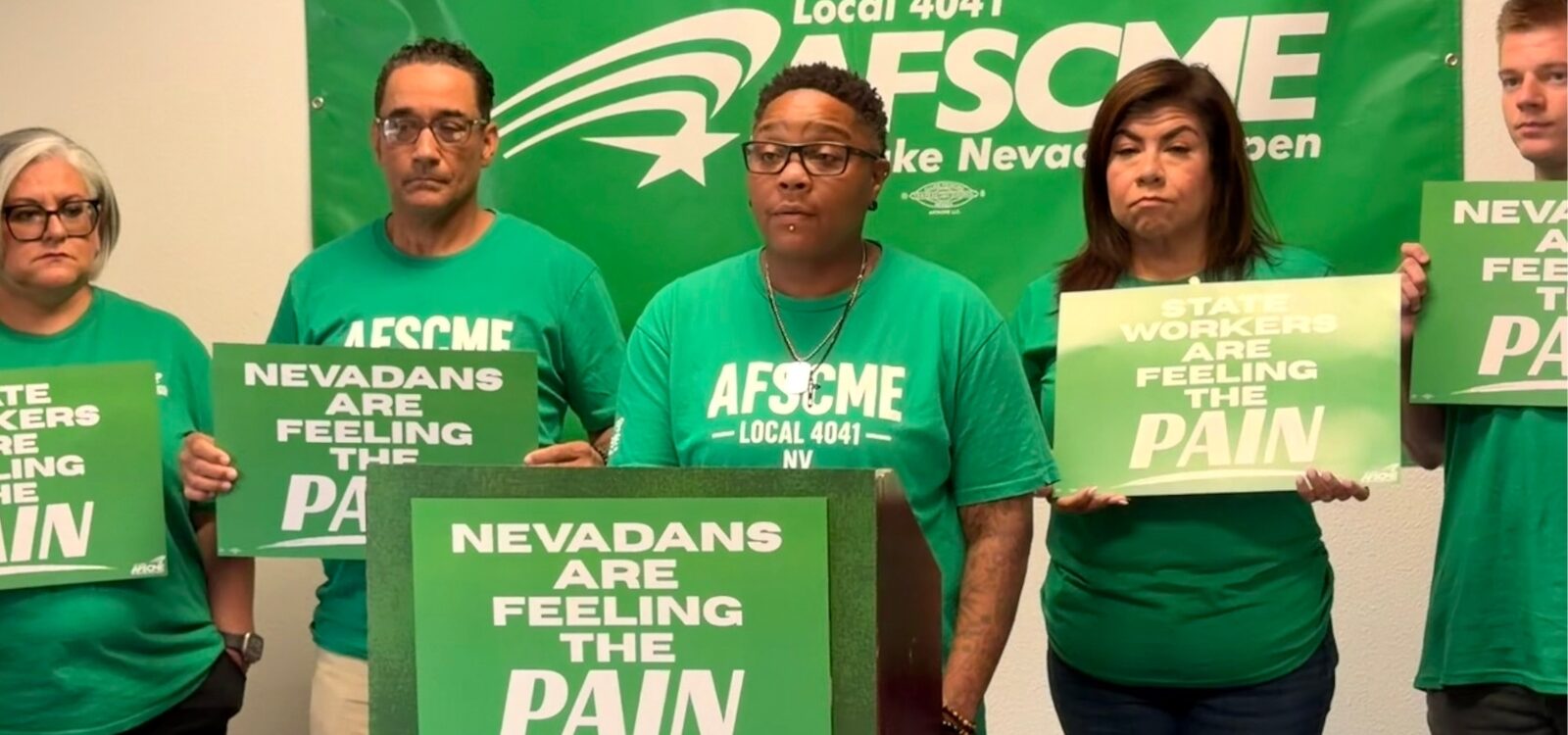
AFSCME members fight to protect Nevada healthcare facility for children

-
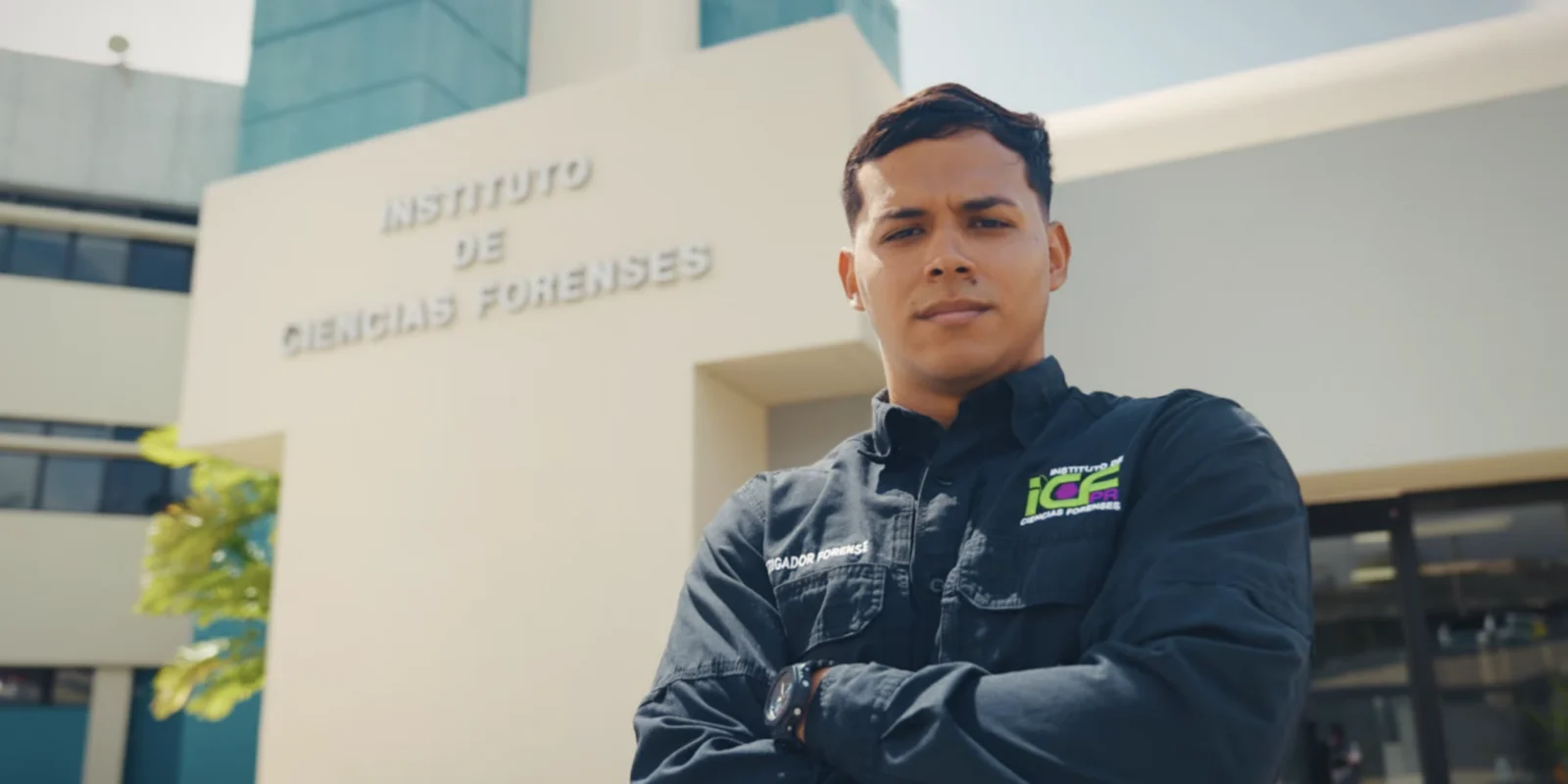
Never Quit winner is Puerto Rican forensic investigator living his childhood dream
-
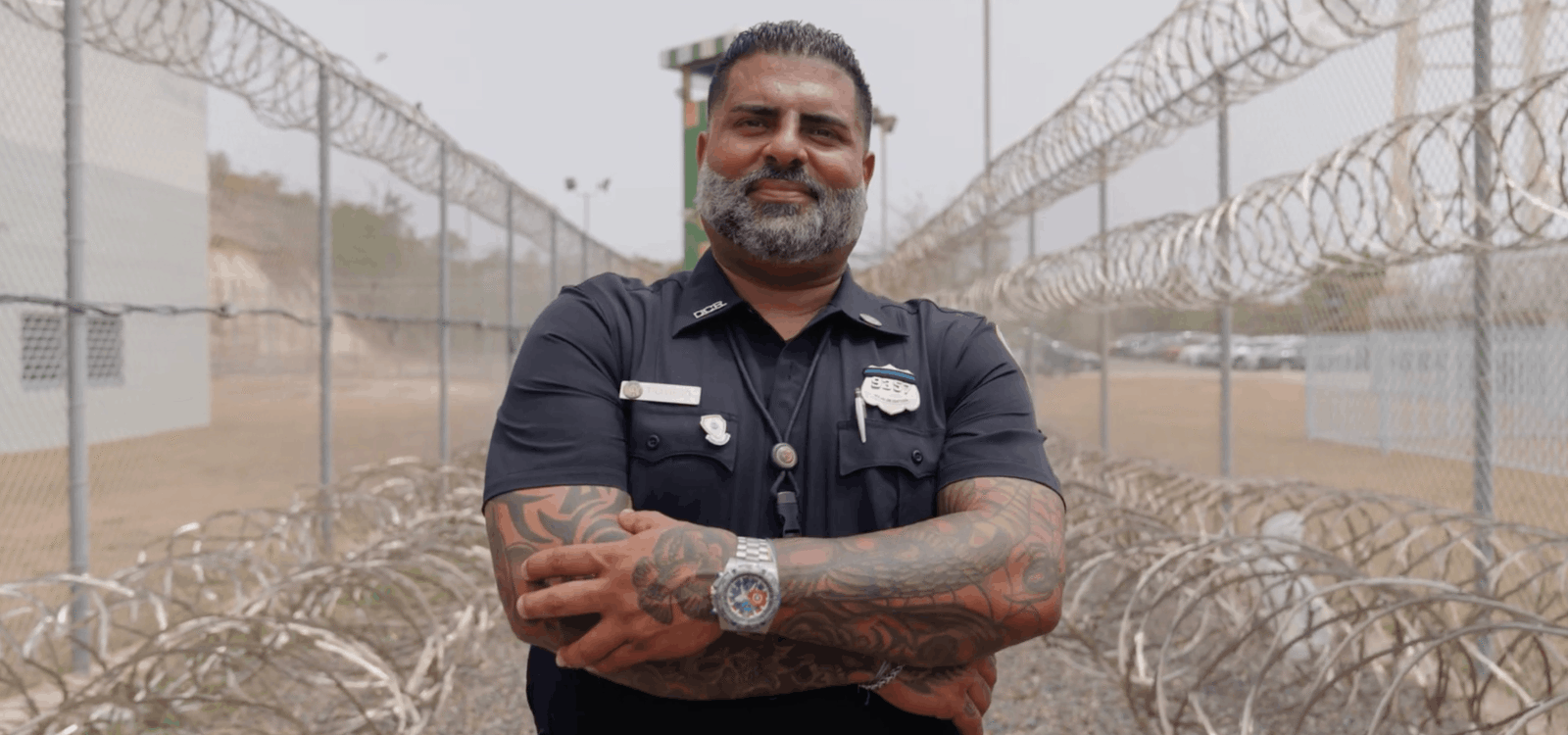
Puerto Rico corrections members, through their union, won workplace improvements after a tragedy


Featured Benefits
-
AFSCME members win first cost-of-living increase in 20 years for 60,000 PA retirees
After a long battle, AFSCME retirees in Pennsylvania won a cost-of-living increase in the commonwealth’s new budget. Read More
Read More

-
AFSCME apprenticeships give Oregon members skills for behavioral health jobs
Congrats to the newest cohort of career-ready behavioral health workers in Oregon, who graduated from the AFSCME’s apprenticeships.
-
United Domestic Workers launches groundbreaking family child care apprenticeship program
UDW announces a new apprenticeship program.