-
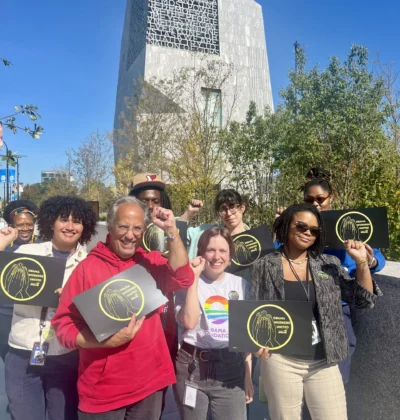
Obama Foundation and Presidential Center employees are organizing with AFSCME
Employees at the Obama Foundation and Presidential Center announced a union organizing effort with AFSCME Council 31 in Illinois. Read More
Read More
-
Big win for federal workers: Policy of conducting layoffs during government shutdowns withdrawn thanks to settlement
AFSCME members who work in federal agencies have struck a blow against mass layoffs during government shutdowns. Read More
Read More

-
Podcast chronicles career of AFSCME President Emeritus Lee Saunders
A new podcast chronicles AFSCME President Emeritus Lee Saunders’ career. Read More
Read More

-
AFSCME member who kept a Rhode Island airport running is reinstated
An arbitrator has reinstated an AFSCME member in Rhode Island who was wrongly fired two years ago. Read More
Read More

Our Stories
-
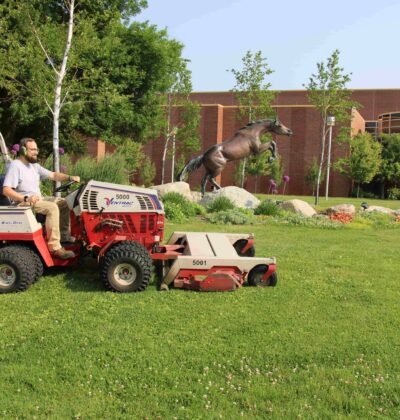
At Western Michigan University, a master gardener nurtures his entire community
David Prellwitz, a master gardener at Western Michigan University, is our latest Never Quit winner. Read More
Read More
Union Difference
-
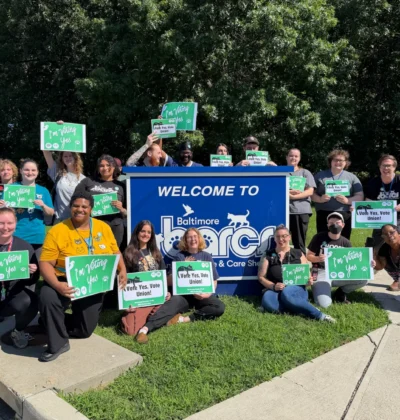
Workers at Baltimore animal shelter win their union
Workers at a Baltimore animal rescue organized and won their union through Maryland Council 3. Read More
Read More
Latest Videos
-
Never Quit winner is Puerto Rican forensic investigator living his childhood dream
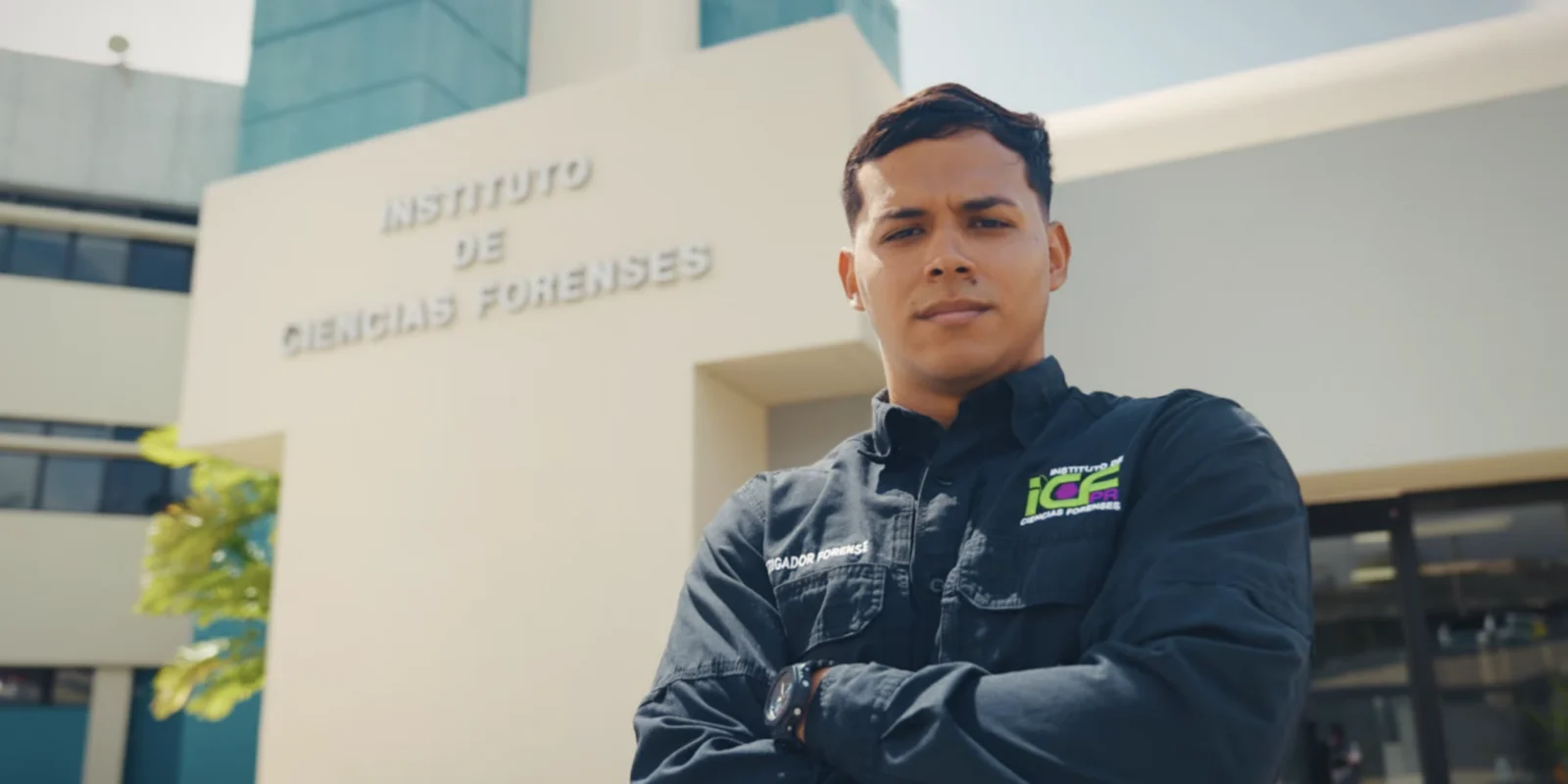

-
Puerto Rico corrections members, through their union, won workplace improvements after a tragedy
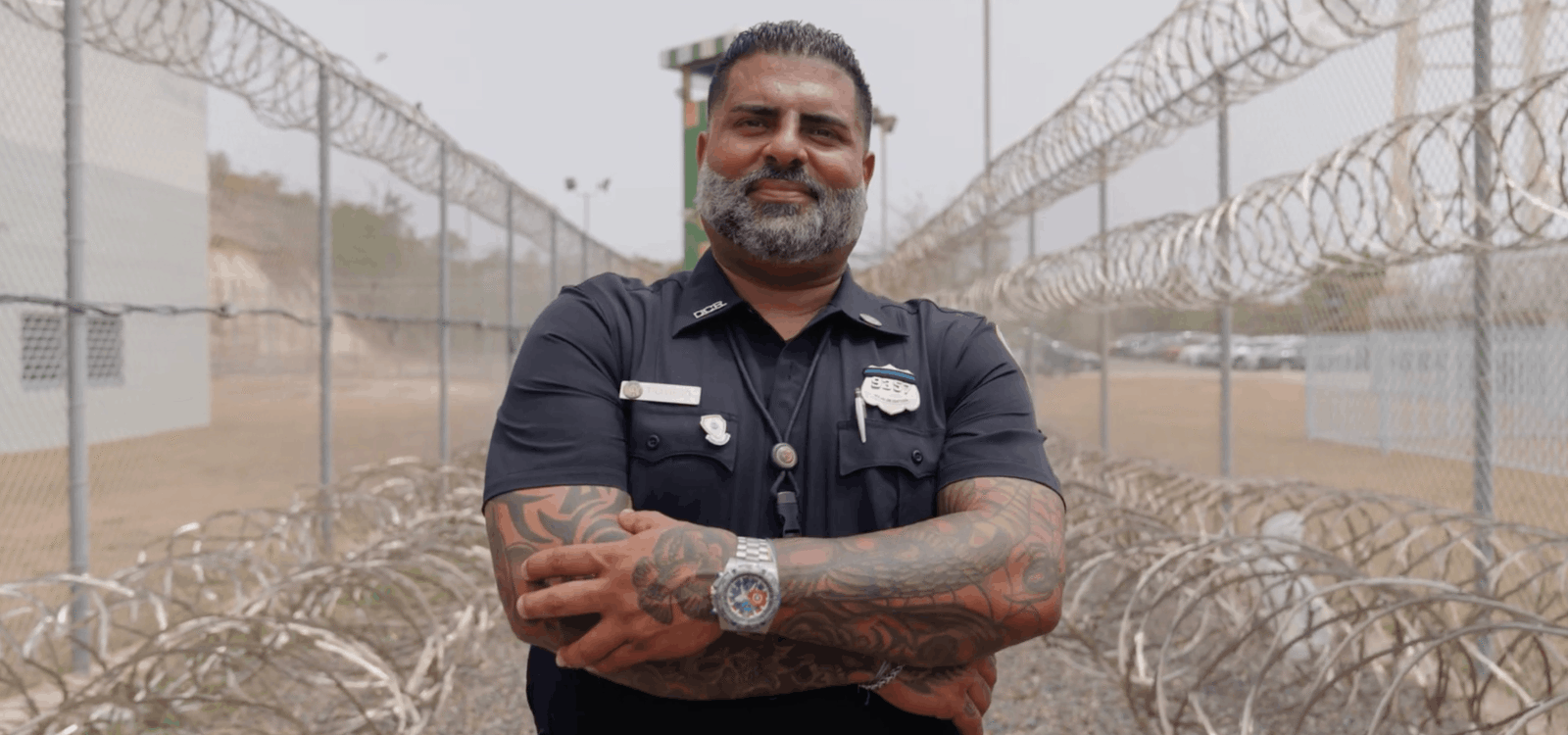
-
Helping Ohio veterans return to civilian life nets OCSEA member Never Quit award
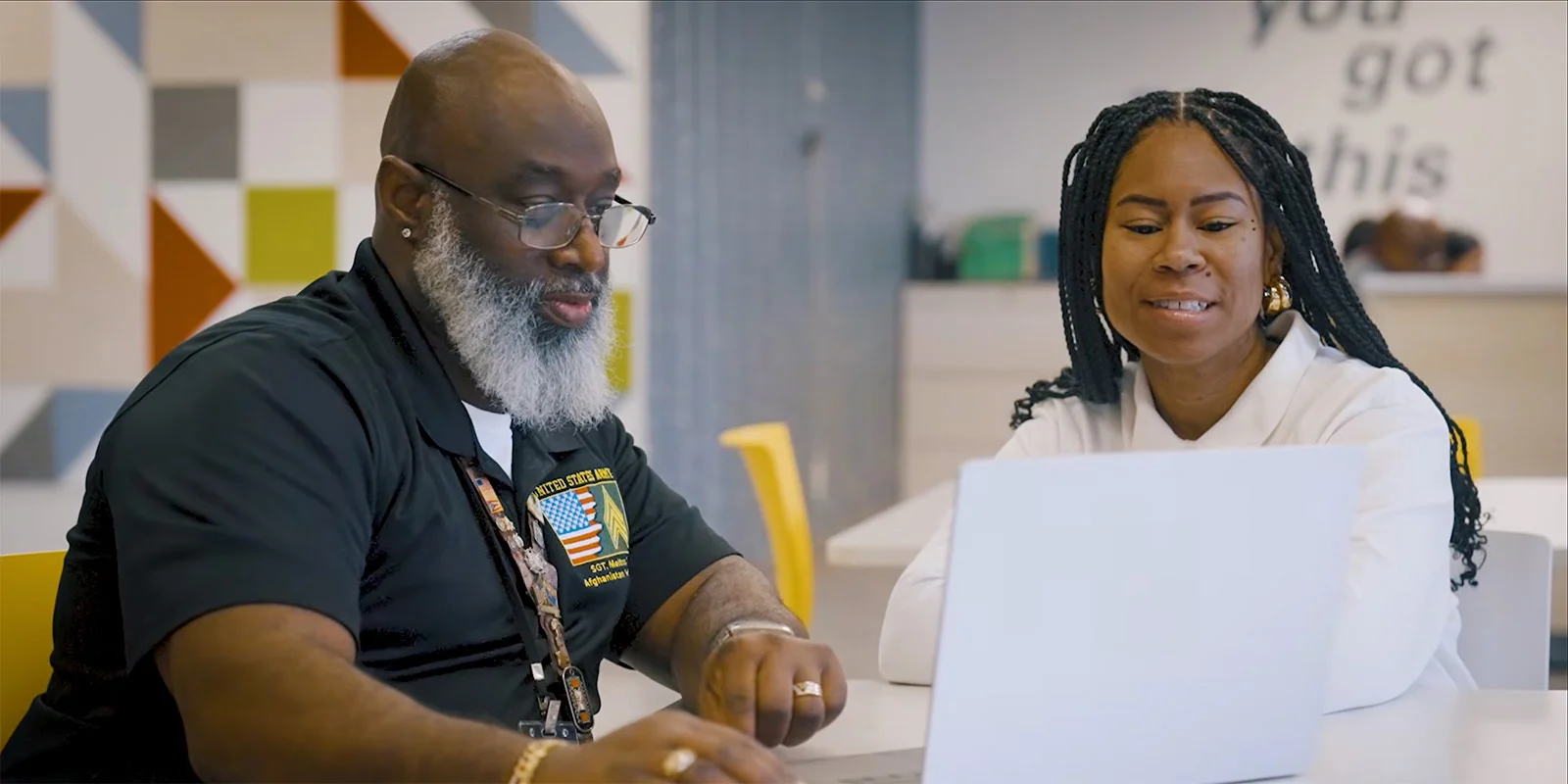


Featured Benefits
-
AFSCME members win first cost-of-living increase in 20 years for 60,000 PA retirees
After a long battle, AFSCME retirees in Pennsylvania won a cost-of-living increase in the commonwealth’s new budget. Read More
Read More

-
AFSCME apprenticeships give Oregon members skills for behavioral health jobs
Congrats to the newest cohort of career-ready behavioral health workers in Oregon, who graduated from the AFSCME’s apprenticeships.
-
United Domestic Workers launches groundbreaking family child care apprenticeship program
UDW announces a new apprenticeship program.