-
AFSCME members sue to protect Employment Service programs from harmful rule
AFSCME members take legal action to protect vital Employment Service programs from a harmful new rule that could lead to privatization. Read More
Read More

-
PA governor joins AFSCME retirees, President Moran to celebrate huge pension victory
Pennsylvania Gov. Josh Shapiro joined AFSCME President Patrick Moran and retirees to celebrate a new law giving 60,000 retirees a long-awaited cost-of-living increase. Read More
Read More

-
AFSCME to Trump: Give up the reckless rule to deregulate Head Start
AFSCME and other public service unions are fighting to save Head Start from the Trump administration. Read More
Read More

-
AFSCME wins – for now – ruling to block federal civil service ‘loyalty question’
We won a preliminary ruling blocking a “loyalty question” from appearing on federal civil service job applications. Read More
Read More

Our Stories
-
On the 25th anniversary of 9/11, we honor public service workers who continue to answer the call
That day, AFSCME members didn’t hesitate. Trained to serve their communities no matter what, to answer the call despite the risk to themselves, these brave public service workers were driven by one impulse: to help. Read More
Read More

Union Difference
-
Our union will lead in the fight on voting rights
AFSCME President Patrick Moran took part in a Capitol Hill roundtable to discuss the role of organized labor in protecting our democracy. Read More
Read More

-
AFSCME and labor allies say ‘no’ to crypto in our pensions
AFSCME and our allies are fighting back against a bill that makes it easier for the crypto industry to prey on our pensions.
Latest Videos
-
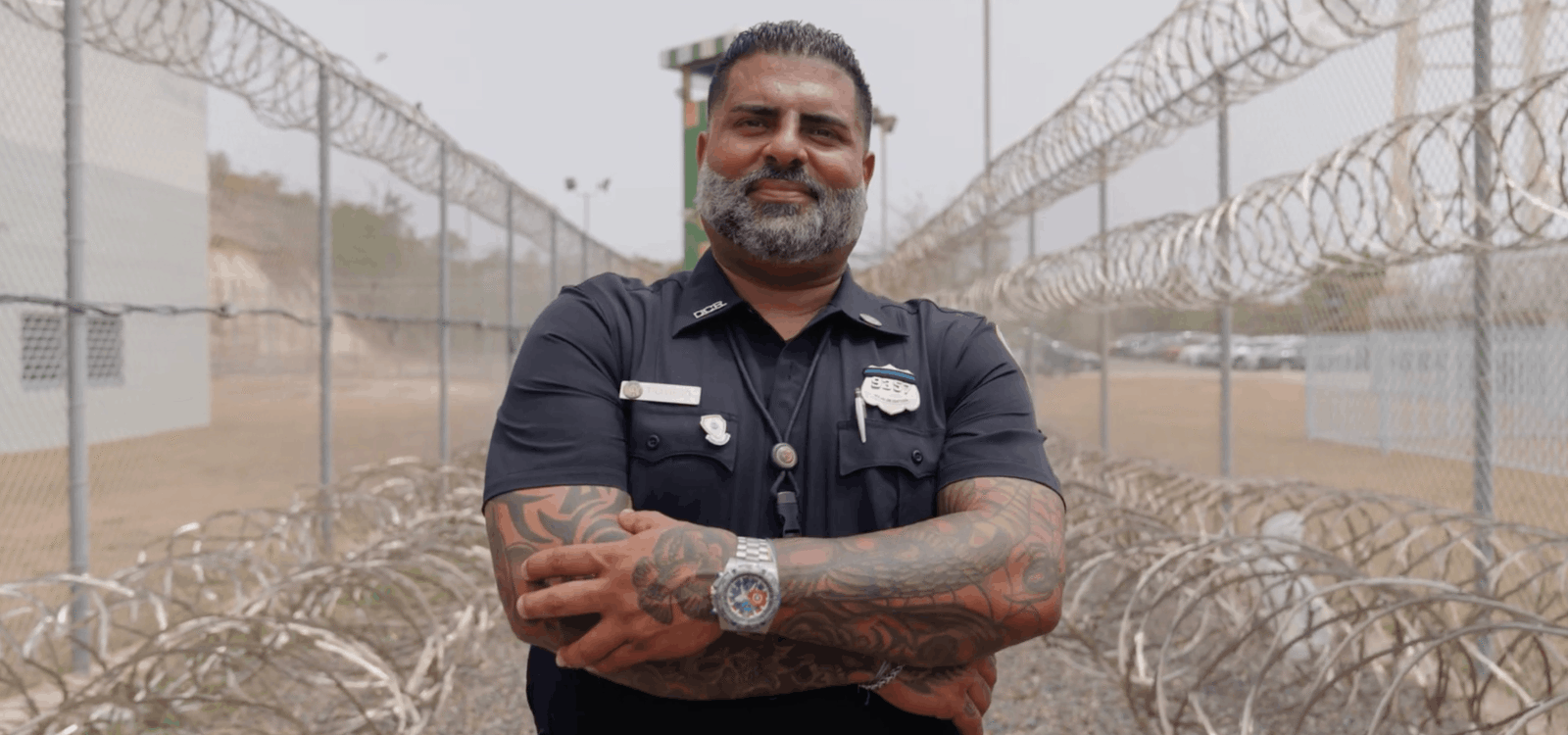
Puerto Rico corrections members, through their union, won workplace improvements after a tragedy

-
Helping Ohio veterans return to civilian life nets OCSEA member Never Quit award

-

Library associate helps the elderly stay connected to their community

Featured Benefits
-
AFSCME members win first cost-of-living increase in 20 years for 60,000 PA retirees
After a long battle, AFSCME retirees in Pennsylvania won a cost-of-living increase in the commonwealth’s new budget. Read More
Read More

-
AFSCME apprenticeships give Oregon members skills for behavioral health jobs
Congrats to the newest cohort of career-ready behavioral health workers in Oregon, who graduated from the AFSCME’s apprenticeships.
-
United Domestic Workers launches groundbreaking family child care apprenticeship program
UDW announces a new apprenticeship program.