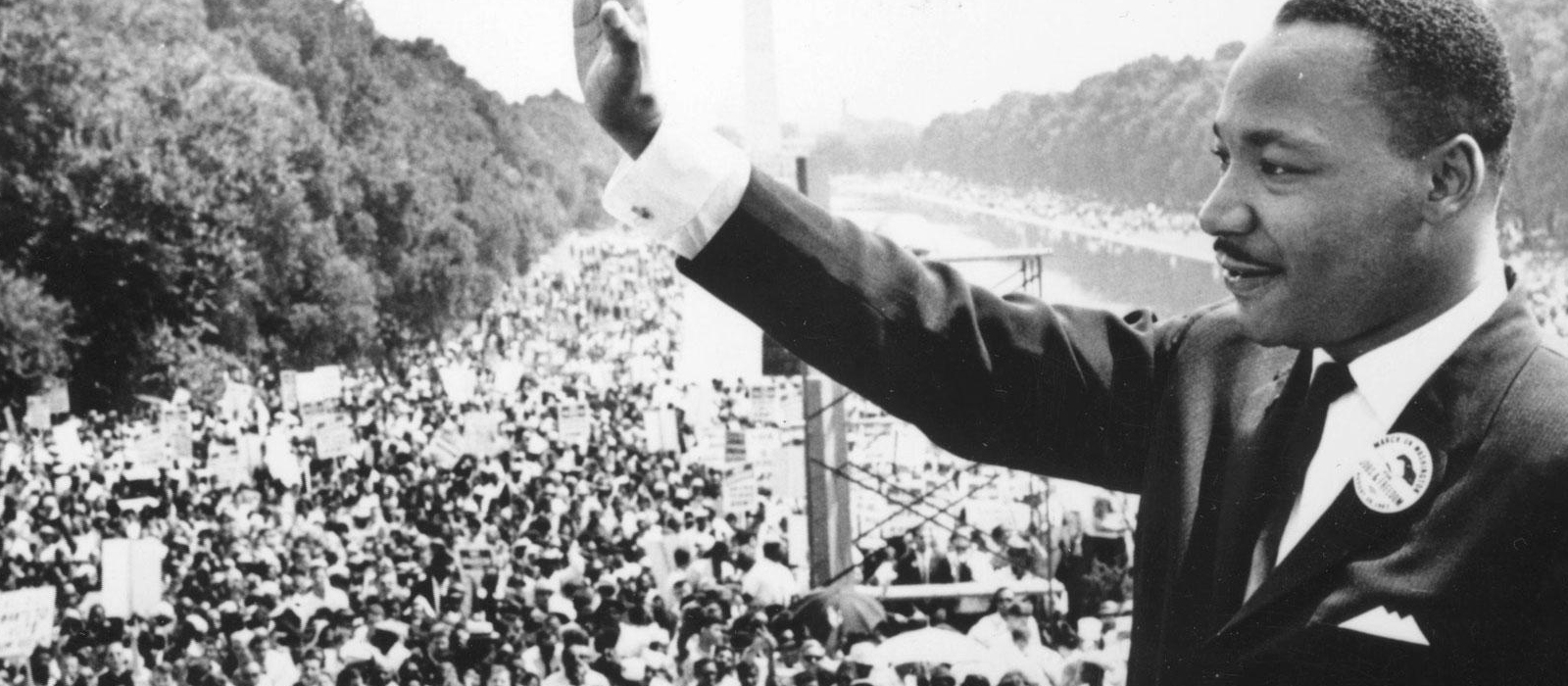
Sorrow, Anger -- And More Frustration
In the early hours of Friday morning, following the assassination, Baxton Bryant called for the resignation of Mayor Henry Loeb:
We saw President Johnson this week place the interest of the country above his own self-interest and pride. Peace seems to be a little closer in Vietnam as a result.
Mayor Loeb has nothing but trouble and turmoil ahead governing a city whose population is 40 per cent Negro. He is a man of principal but doesn't have the capacity or the background to understand or interpret the rising expectations and demand for decency in the black community.
For the peace, justice, and tranquility of the entire community, and safety and peace for himself and his family, he should resign as mayor of Memphis.
The call for the mayor's resignation was taken up by the Memphis Central Labor Council, AFL-CIO.
It was Mayor Loeb's insistence that the strike was illegal, together with his avowal that he would "never" sign a contract with the union or agree to deduction of union dues from the men's paychecks, that had prolonged the strike and led to the invitation to Dr. King to come to Memphis. But Loeb was reflecting the sentiments of the majority of his constituency.
Later on that morning, nearly 150 ministers, about 30 of them Negroes, held a memorial service at St. Mary's Episcopal Cathedral, then walked silently seven blocks to the city hall for a confrontation. with the mayor. The decision to take that walk had actually been made on Wednesday, April 3, the day before the murder. The inner-city ministers were in the majority and were for it, but suburban ministers were nervous about such action and the group was persuaded to postpone it on the rationale that there should be a carefully prepared statement. Now, on Friday, there was no delay. After hearing and adopting a prepared statement, the group proceeded, spontaneously, to the mayor's office. They were accompanied by three police cruisers. Four officers in each car wore white helmets and some carried shotguns. They passed elements of the National Guard in battle gear stationed before public buildings and stores.
Mayor Loeb was waiting for them in his office. Their resolution was headed by a quotation of Jeremiah 8:13: "They have healed the wound of my people lightly, saying, 'Peace, peace,' when there is no peace."
We, as ministers of God ... mourn with deep sorrow and a sense of unspeakable loss the murder of our brother, Dr. Martin Luther King, eminent preacher of peace, advocate of the power of nonviolent love, promoter and practitioner of true manhood.
We who are white confess our implication in this tragic event by our failure to speak and act, clearly and specifically, with conviction and courage, to the attitudes of prejudice and patterns of injustice which the society in which this act could occur ...
. . . The grave crisis which is upon us is caused primarily . . . by lack of private and public will to put into action, at whatever costs, the professions we have so long and so easily made with our lips -- to do unto others as we would have them do unto us and to love our neighbors as ourselves.
. . .Let us together . . . work creatively and selflessly for a new community, in which equality and justice for all prevail and in which no man suffers the loss of his human rights because of racial prejudice or arrogant paternalism.
. . . we implore our mayor and city council to address themselves with swift dispatch to the forging of a mutually acceptable solution including agreement upon union recognition and dues check-off . . . .
The statement was concluded with a quotation from the New Testament: "And when He (Jesus) drew near and saw the city he wept over it, saying, 'Would that even today you knew the things that make for peace."' (Luke 19:41-42a)
After the reading, Rabbi James A. Wax, head of the predominantly white Memphis Ministers' Association, made an impassioned statement to the mayor. He spoke in a loud voice and did not conceal his wrath. "We come here with a great deal of sadness and . . . a great deal of anger," he said. He told Mayor Loeb that what had happened was the result of oppression, injustice, and inhumanity and that they were appealing to him for leadership. He adjured the mayor to stop hiding behind legal technicalities and obey "laws greater than the laws of Memphis and Tennessee . . .The laws of God."
The mayor responded, according to the New York Times, "Each of us is sincere. I know your sincerity and I hope you know mine. Although we disagree on some points, each of us is trying to do what we think is right . . . I thank you for coming up."
Clearly he thought the interview ended. But Dr. Ralph Jackson, converted conservative Negro minister, whose fiery preaching had moved and delighted Negroes throughout the struggle, now showed a different side of his personality in a tearful, sorrowing plea to the mayor. "We plead with you. We beg you, do not send us away from here again without an affirmation," he cried. He urged the mayor to blame the ministers, if necessary, but by all means to modify his rigid stance. But the mayor's position remained unchanged.
His next visitors were nine Negro teachers. They had just come from the airport where Dr. King's staff had enplaned for return to Atlanta with his body. They complained that they had been kept from "our dear Dr. King's body" by National Guardsmen with bayonets. They also rebuked Mayor Loeb for neither going to the airport nor sending a representative of the city.