A Coalition?
There is much talk these days about coalitions, and particularly a coalition of the labor movement and the civil rights movement. What happened at Memphis seems, at first glance, anyway, to be an example of the kind of coalition that is so much discussed. Union men readily acknowledge that, if it were not for the Negro ministers and the unity of the Negro community behind them, the sanitation workers "wouldn't have the chance of a snowball in hell." On the other hand, the union has provided the sort of know-how (and money) that seems to be necessary these days to come to grips with a not-so-simple issue around which to rally liberal and minority-group forces. AFSCME officials did this without preempting -- and, in fact, encouraging -- local leadership of the strike. "This is a new day for these ministers and these churches," said one observer.
As noted, organized labor forces torpedoed anti-strike legislation in Nashville. That was fine, according to coalition strategists, for, while it was obviously a matter of self-interest, it happened to be supportive of an all-Negro local and the black community of Memphis backing that local.
In Memphis, labor forces were standoffish at first. The rank and file were all for better wages and working conditions for the sanitation men, but did not care for the civil rights overtones. As late as the fifteenth day of the strike, an AFSCME official commented that he had heard from only three white men representing local labor unions. There had been a few relatively small checks for the strike fund, he said, but helpful as that was, he needed some white faces at the union hall rallies to let the sanitation men know that they had labor's support.
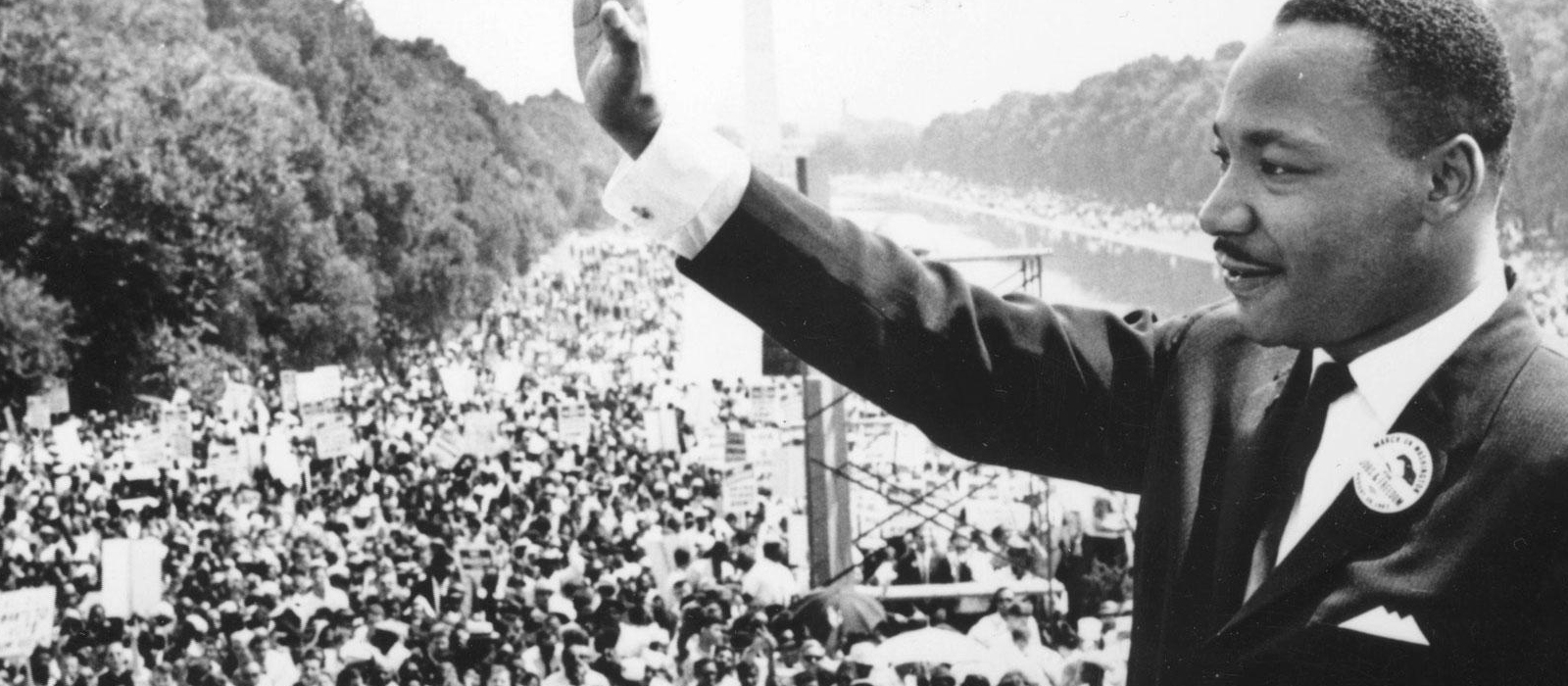
The evidence of support came on March 4, at the beginning of the fourth week of the strike. Under leadership of Tom Powell, head of Memphis' AFL-CIO Central Labor Council, and Dan Powell (no kin), Southeastern Regional Director of the AFL-CIO Committee on Political Education, five hundred white labor unionists joined Negro ministers and sanitation workers in the daily downtown march. It was a red-letter day for the strikers.
It remained to be seen whether the AFSCME or other unions will find in the Memphis experience anything like a standard procedure for organizing in the South. Perhaps conditions in Memphis were unique, so that there would be no way of approximating the developments there in other cities. Moreover, the American Federation of State, County and Municipal Employees is not just a union of sanitation workers. It seeks to include all municipal employees, "from city engineers on down." But as one union official put it, it is hard to get white Southerners to join a black man's union.
Nevertheless, the coalition of civil rights forces with organized labor in Memphis, however brief or singular, was noteworthy. President Wurf had the candor to acknowledge at one mass meeting that some parts of the AFL-CIO have given Negroes less than a fair shake. "But we see this labor struggle as part of the basic struggle of the Negro community for decency and dignity," he said.
A few minutes later he added, "Memphis has been, for me, one of the most moving experiences of my life."
It was unusual, labor observers said, for a national president of a union to put so much of his personal prestige on the line in a situation as unsure of victory and unpredictable in tone as that in Memphis. Mr. Wurf's union does have a large number of Negro members across the nation, and they might be expected to be pleased with his role in Memphis. But beyond that, he seemed genuinely involved in the demand for dignity that transcended the practical and pragmatic aspects of the struggle in Memphis.